


Why Does My Car Squeak When Turning Corners?

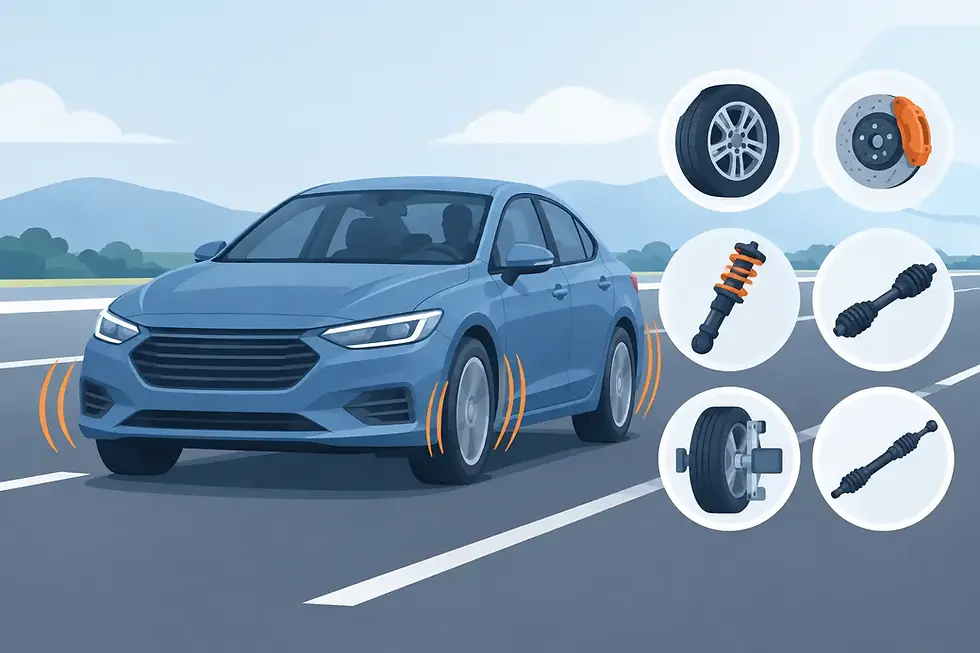
A squeak that shows up halfway through a turn can make even a normally dependable car feel questionable. If you are asking, “why does my car squeak when turning,” the answer usually comes down to a part that is shifting under load: a brake component, tire, steering joint, or suspension bushing. The sound itself matters, but so does when it happens.
A brief squeak after a rainy Portland night may be harmless surface moisture on the brake rotors. A repeated squeak every time you turn into a parking space is different. Pay attention to whether the car is moving, whether you are braking, whether the steering wheel feels normal, and whether the noise is getting worse. Those details help narrow down the repair before parts are replaced.
Why Does My Car Squeak When Turning?
Turning transfers weight across the vehicle. As the body leans, the suspension compresses on one side, the steering linkage changes position, and the tires move through their normal arc. Any worn, dry, loose, or rubbing component can make itself known during that movement.
The tricky part is that a squeak does not identify one failed part by itself. A sound near the front wheel may come from the brakes, a strut mount, a sway bar bushing, or even a plastic inner fender liner touching a tire. A proper inspection should confirm the source rather than treating the loudest guess.
Brake pads, hardware, and rotors
Brake noise is one of the most common reasons drivers notice a squeak around turns. As a car corners, the brake pads can shift slightly in their brackets. If the pad hardware is corroded, worn, improperly fitted, or dry where it should be lubricated, that movement may create a high-pitched squeak.
Some brake pads also include a wear indicator designed to make noise when the friction material is low. It often squeals while driving or braking, but the sound can seem more noticeable during turns. Rust on rotors after rain can cause a temporary scrape or squeak for the first few stops, especially when a vehicle has been parked overnight. That should fade quickly once the brake surfaces clean up.
If the squeak is paired with reduced braking performance, a soft pedal, vibration, grinding, or a brake warning light, do not wait to have it checked. Brake repairs are generally much simpler when addressed before pads wear into the rotors or a sticking caliper creates more damage.
Worn suspension bushings and sway bar components
Rubber bushings sit between many suspension parts to control movement and absorb vibration. Over time, heat, age, road grime, and moisture can dry out or crack that rubber. When the vehicle leans in a turn, a worn bushing may squeak as the suspension moves.
Sway bar bushings and sway bar links are frequent suspects because they work hardest when the car is cornering. Control arm bushings, shock or strut bushings, and other mounting points can make similar noises. On older vehicles, the squeak may be more obvious at low speed, such as when turning into a driveway or pulling into a parking spot.
A technician needs to inspect these components under the right conditions. Some suspension wear is easy to see on a lift; other issues only appear when the part is loaded or moved by hand. Spraying a lubricant on random rubber parts may quiet a noise for a day, but it can also mask the actual problem and is not a lasting repair.
Strut mounts and steering components
Front struts often have mounts and bearings at the top that allow the assembly to rotate as you steer. When those parts wear or bind, you may hear squeaking, creaking, or a spring-like groan while turning the wheel. The noise can occur while stopped, but it is often clearer at slow speeds.
Tie rod ends, ball joints, and other steering joints can also become dry or worn. Many modern joints are sealed and cannot be routinely greased, so once the protective boot fails or internal wear develops, replacement is commonly the appropriate fix. A worn steering component is more than an annoyance because it can affect alignment, tire wear, and how predictably the vehicle responds.
Do not ignore a squeak that comes with looseness in the steering wheel, wandering on the road, uneven tire wear, clunking over bumps, or a vehicle that pulls during braking. Those symptoms call for a prompt steering and suspension inspection.
Tires rubbing where they should not
Sometimes the squeak is not mechanical at all. A tire can rub against an inner fender liner, splash shield, mud flap, or suspension component at full steering lock. This is more likely after installing tires that are larger than factory size, changing wheel offset, lowering the vehicle, or hitting a curb or pothole that bent a panel or shifted a liner.
The noise may only happen at the end of a tight turn, such as when backing out of a driveway. Look for fresh scuff marks on the tire sidewall or shiny rubbed areas inside the wheel well. Avoid reaching around moving or hot components, and do not assume tire rubbing is harmless. A loose liner can eventually wear through or contact the tire more severely.
Power steering noises on older vehicles
Vehicles with hydraulic power steering can develop a squeak or groan if the fluid is low, old, aerated, or leaking. The power steering pump may be loudest when the wheel is near full lock. A slipping drive belt can create a squeal at the same time, especially in wet weather or when additional steering effort is required.
Electric power steering systems do not use a hydraulic pump or fluid, but they can still have steering column, rack, or suspension-related noises. The repair approach depends on the system in your particular make and model, which is why identifying the vehicle and reproducing the noise matters.
What the Type of Noise Can Tell You
A squeak is different from every other turning noise, and that distinction helps. A repeated clicking while accelerating through a turn is often associated with a worn CV axle joint. A heavy clunk may point toward a loose suspension component. A humming or growling that rises with road speed can suggest a wheel bearing or tire issue. A metal-on-metal grinding sound should be treated as urgent, particularly if it changes when brakes are applied.
Try to notice whether the sound happens when turning left, right, or both directions. Also note whether it occurs only while the car is rolling, only when the wheel is turned while stopped, or only over bumps. A short phone recording can be useful, but do not try to record while driving. Have a passenger do it, or safely capture the noise in an empty parking area.
When to Schedule an Inspection
A one-time squeak that disappears after the first few brake applications on a wet morning is usually worth monitoring. A recurring noise deserves an inspection, especially if it has become louder, is accompanied by vibration, affects handling, or follows a recent tire, brake, or suspension repair.
For Portland drivers, rain, road grit, potholes, and steep neighborhood streets can all speed up wear on brakes and suspension parts. At Dane Motors, a diagnostic inspection can separate a normal temporary brake noise from a steering, tire, or suspension concern that needs attention. Clear diagnosis matters because replacing parts based only on a sound can cost more without fixing the problem.
Until the vehicle is checked, avoid forcing the steering wheel against full lock and pay close attention to any change in braking or control. A small squeak may have a simple cause, but your car should turn quietly, track straight, and feel secure every time you head down the road.


Comments