


Car Diagnostics: Find the Problem Before Repair

A warning light comes on during the drive down Southeast Powell Boulevard. The car still starts, so it is tempting to put off the problem. But car diagnostics is how a repair shop separates a minor issue, such as a loose gas cap or aging battery, from a fault that could leave you stranded or cause more expensive damage.
A diagnostic visit is not the same as simply plugging in a scanner and reading a code. Modern vehicles use computers to monitor the engine, transmission, brakes, steering, charging system, emissions equipment, and many other systems. The code points a technician toward the affected system. The actual repair begins with confirming why that code appeared.
What Car Diagnostics Actually Includes
Most cars built since the mid-1990s have an onboard diagnostic system. When it sees a reading outside its expected range, it stores a diagnostic trouble code and may turn on the check engine light, battery light, ABS light, traction-control light, or another warning indicator.
The code is a useful starting point, not a parts list. A code related to an oxygen sensor, for example, does not always mean the sensor itself has failed. The engine may have a vacuum leak, a wiring problem, an exhaust leak, or a fuel-delivery issue that is causing the sensor to report an abnormal reading. Replacing parts without testing can get expensive fast and still leave the original problem behind.
A proper diagnostic process combines scan-tool data with hands-on testing. Depending on the symptom, that may include checking battery voltage and charging output, inspecting wiring and connectors, testing circuits, measuring fuel pressure, checking for vacuum leaks, reviewing live sensor data, and road-testing the vehicle. The goal is to identify the failed component or condition, explain its effect on the vehicle, and recommend only the repair needed to correct it.
When to Schedule Car Diagnostics
Some problems make themselves obvious. A vehicle that will not start or is actively overheating needs attention right away. Other symptoms are intermittent, which can make drivers wonder whether an appointment is worthwhile. It usually is. Intermittent issues often become more frequent, and catching them early can prevent a tow, missed work, or a larger repair.
Schedule diagnostic service if you notice a warning light, a rough idle, hesitation when accelerating, reduced fuel economy, stalling, hard starting, unusual shifting, or a burning or fuel smell. Electrical concerns also deserve prompt testing. Headlights that dim at idle, repeated dead batteries, power windows that work only sometimes, or an infotainment system that resets can all point to a charging, battery, wiring, or module issue.
Pay attention to what happens before and during the symptom. A brief note can give the technician a much better place to start. Useful details include:
Whether the issue happens on cold starts, after the car warms up, in rain, or only after sitting overnight
Which warning lights are on and whether they stay on or flash
What the vehicle was doing when the issue began, such as braking, turning, accelerating, or idling
Any recent work, battery replacement, collision damage, rodent activity, or fluid leak
A flashing check engine light is different from a steady one. It can indicate an active misfire severe enough to damage the catalytic converter. If the light is flashing and the engine is running poorly, limit driving and arrange service as soon as possible.
Why a Code Reader Is Not a Full Answer
Many parts stores and inexpensive scan tools can retrieve basic engine codes. That information can be helpful, especially if it tells you whether the check engine light is related to a known recent repair. Still, it does not replace professional testing.
Basic code readers often cannot access every module in the vehicle. Brake, airbag, body-control, transmission, and manufacturer-specific systems may require professional equipment and current software. More importantly, a reader cannot inspect damaged wiring, verify a weak fuel pump under load, find a parasitic battery drain, or determine whether a sensor is reporting a problem or causing it.
There is also a timing issue. Clearing a code before a diagnostic appointment can erase valuable freeze-frame data, which records operating conditions when the fault occurred. Unless a technician tells you otherwise, leave the warning light and stored code alone. That record can shorten the diagnosis.
The Difference Between Diagnosis and Repair
Diagnostics has a cost because it takes technician time, testing equipment, and a methodical process. It is the work that prevents guesswork. Once the cause is confirmed, the shop can provide a repair recommendation and estimate based on the actual failure rather than a likely guess.
The final cost depends on the concern. A straightforward battery or charging-system test may be resolved quickly. An intermittent electrical fault, network communication problem, or issue that occurs only under certain driving conditions can take longer. A good shop should explain what has been found, what testing is still needed if the answer is not yet complete, and what repair options make sense.
At Dane Motors, diagnostic service starts at $125. That gives drivers a clear starting point before approving additional repair work. If the issue involves a major component, such as an engine or transmission, the same principle applies: verify the cause first, then discuss the appropriate repair or replacement path.
Common Problems a Diagnostic Visit Can Find
Check engine lights receive the most attention, but they are only one part of vehicle diagnostics. Portland drivers also bring in vehicles for battery drains, no-start conditions, overheating, brake warnings, ABS concerns, steering alerts, unusual noises, and poor performance.
A no-start condition may come from a weak battery, corroded cable, failing starter, poor ground connection, fuel-delivery problem, ignition fault, or an anti-theft system issue. The symptom is the same from the driver’s seat, but the repair is very different in each case.
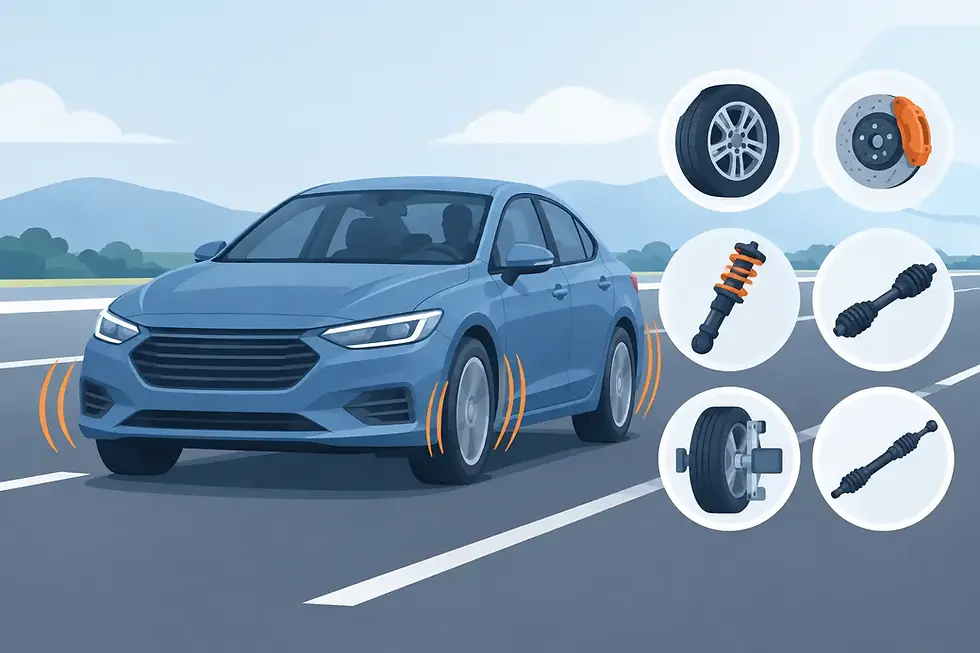
Similarly, a vehicle that pulls, vibrates, or makes noise may need tires, an alignment, brake work, suspension repair, or axle service. A road test and inspection help distinguish a tire-related vibration from a worn wheel bearing or a brake issue. Replacing the wrong component is not a fix, even if it temporarily changes the symptom.
How to Get Better Results From Your Appointment
Bring the vehicle in as close to the time the problem occurs as possible. If the issue appears only on a long commute, explain the route, speed, outside temperature, and how long you had been driving. If a warning message appears, take a photo before it disappears. If you have records from recent repairs or maintenance, bring those along too.
Try not to diagnose the car for the technician. It is reasonable to say that you read a code or suspect a part, but lead with the symptoms you experienced. “The engine shakes at stoplights after it is warm” is more useful than “I need an oxygen sensor.” Clear symptoms allow the testing process to stay open to the real cause.
For urgent concerns, be honest about how the vehicle is driving. A car that is overheating, losing brake fluid, showing an oil-pressure warning, or making severe engine noise should not be driven just to make a scheduled appointment. Protecting the vehicle and the people inside it comes first.
A warning light does not have to turn into a guessing game. Give the shop the details you have, let the system be tested properly, and make your repair decision with a clear explanation of what the vehicle needs next.


Comments